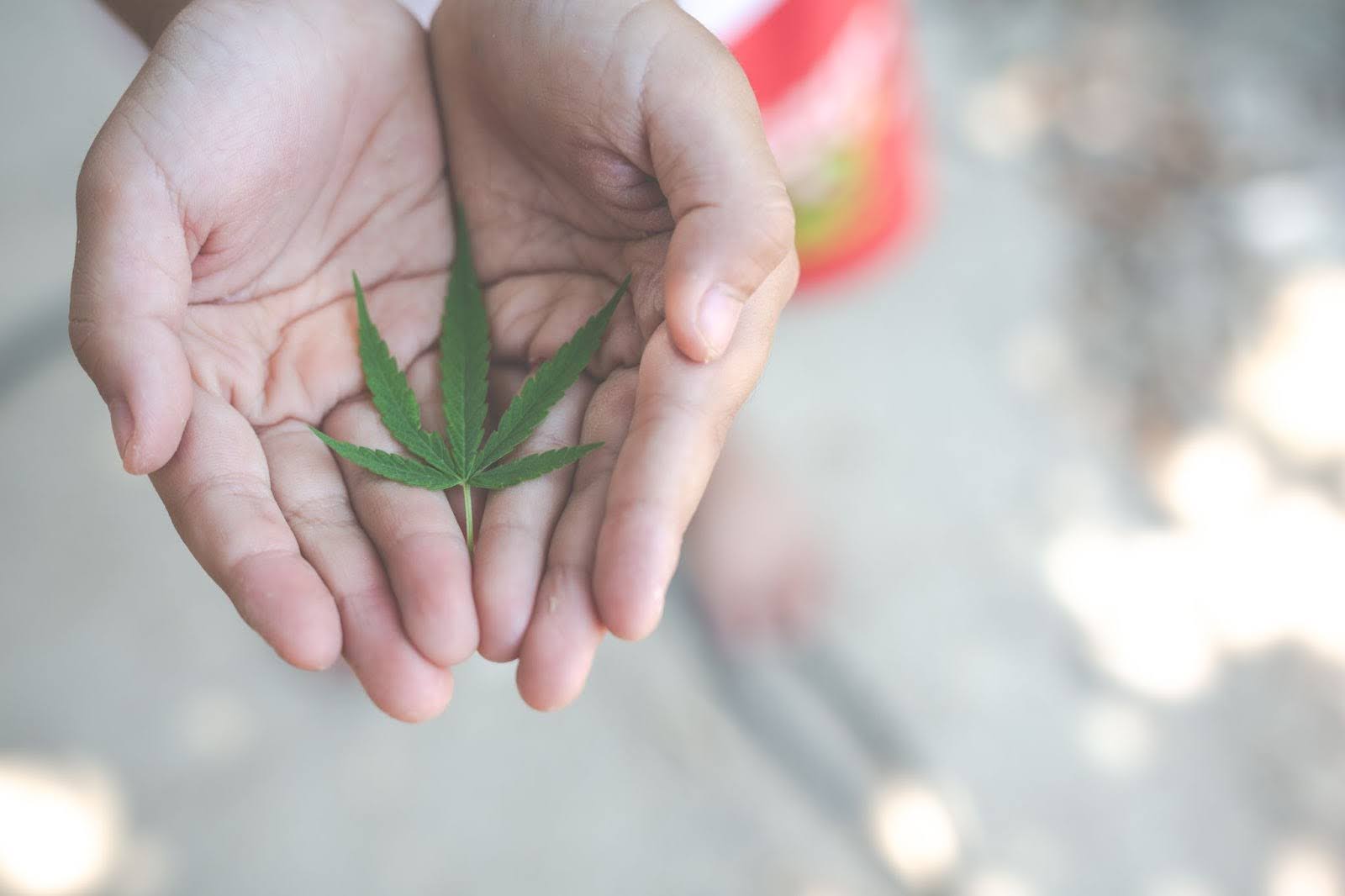
The question “Is marijuana a gateway drug?” has been discussed for decades, sparking debate among researchers, health professionals, and the public. Some studies suggest marijuana use can increase the likelihood of trying more dangerous substances, while others highlight the role of environment, mental health, and personal history.
At Desert Cove Recovery Center in Arizona, we believe that understanding the potential risks of marijuana use is an important step toward prevention and recovery. By learning how marijuana may influence substance use patterns, individuals and families can make informed choices that protect long-term health and well-being.
The Potential Risks of Marijuana as a Gateway Drug
While not everyone who uses marijuana will go on to use harder drugs, early use may still present risks that deserve attention. By looking beyond stereotypes and focusing on science, we can better understand how marijuana use may interact with other factors in a person’s life.
Changes in Brain Chemistry
THC, the main psychoactive compound in marijuana, interacts with the brain’s reward system. This can influence how the brain responds to other substances, potentially making them more appealing or reinforcing their effects.
Lowered Perception of Risk
Regular marijuana use can make substance use feel more normal, reducing perceived danger around experimenting with other drugs.
Environmental and Social Influence
Being in settings where marijuana use is common can also increase exposure to other substances and opportunities to try them.
Is Marijuana a Gateway Drug for Everyone?
Not everyone who uses marijuana will progress to other drugs, but certain factors can increase the likelihood:
- Family history of addiction can make individuals more susceptible due to both genetics and environmental exposure. Growing up in a household where substance use is normalized can also shape early attitudes toward drugs.
- Co-occurring mental health conditions like depression, anxiety, or ADHD may lead some to use marijuana to self-medicate, which can make them more vulnerable to dependence or progression to other substances.
- Unresolved trauma or chronic stress often pushes individuals toward substances as a coping mechanism, increasing the risk of escalation.
- Peer influence during adolescence is one of the strongest predictors of substance experimentation. Teens are more likely to try other drugs if they are surrounded by peers who use marijuana regularly.
Recognizing these risk factors can help individuals and families take early preventive action.
Health Risks Beyond the Gateway Concern
Even if marijuana use doesn’t lead to other drugs, it can still impact health and quality of life.
- Cognitive effects: Impaired short-term memory, difficulty focusing, and reduced learning capacity.
- Motivation changes: Some individuals experience decreased drive, affecting work, school, and personal goals.
- Mental health impact: High doses can trigger anxiety, paranoia, or exacerbate existing conditions.
- Physical health: Smoking marijuana can cause respiratory irritation and chronic cough.
- Cannabis Use Disorder (CUD): A diagnosable condition where a person struggles to control their marijuana use despite harmful consequences.
How to Reduce Risk and Protect Long-Term Health
Making informed choices about marijuana use doesn’t mean avoiding enjoyment in life—it means protecting your well-being while staying true to your values. Here are some ways to lower potential risks:
- Stay informed – Learn how marijuana affects the brain and body, especially during adolescence when the brain is still developing.
- Address mental health needs early – Seek counseling or therapy for anxiety, depression, or trauma instead of relying on substances to cope.
- Choose supportive social circles – Surround yourself with people who respect your health choices and encourage positive habits.
- Seek professional support – If marijuana use begins to interfere with your daily life, reach out for help before it escalates.
Take the Next Step Toward a Healthier Future
So, is marijuana a gateway drug? For some, it may be one step in a broader pattern of substance use. For others, it can still cause challenges that require professional attention.
At Desert Cove Recovery Center, we provide holistic, personalized treatment for marijuana misuse and other substance use disorders. Our programs combine the 12-Step model with evidence-based therapies, trauma resolution, and extended care options to support long-term recovery.
If you or a loved one is struggling with marijuana use—or concerned about its potential impact—contact Desert Cove Recovery Center today. Together, we can create a recovery plan that builds a healthy, fulfilling life.
Sources:
[1] https://nida.nih.gov/publications/research-reports/marijuana/marijuana-gateway-drug
[2] https://doi.org/10.1111/add.14992
[3] https://www.cdc.gov/marijuana