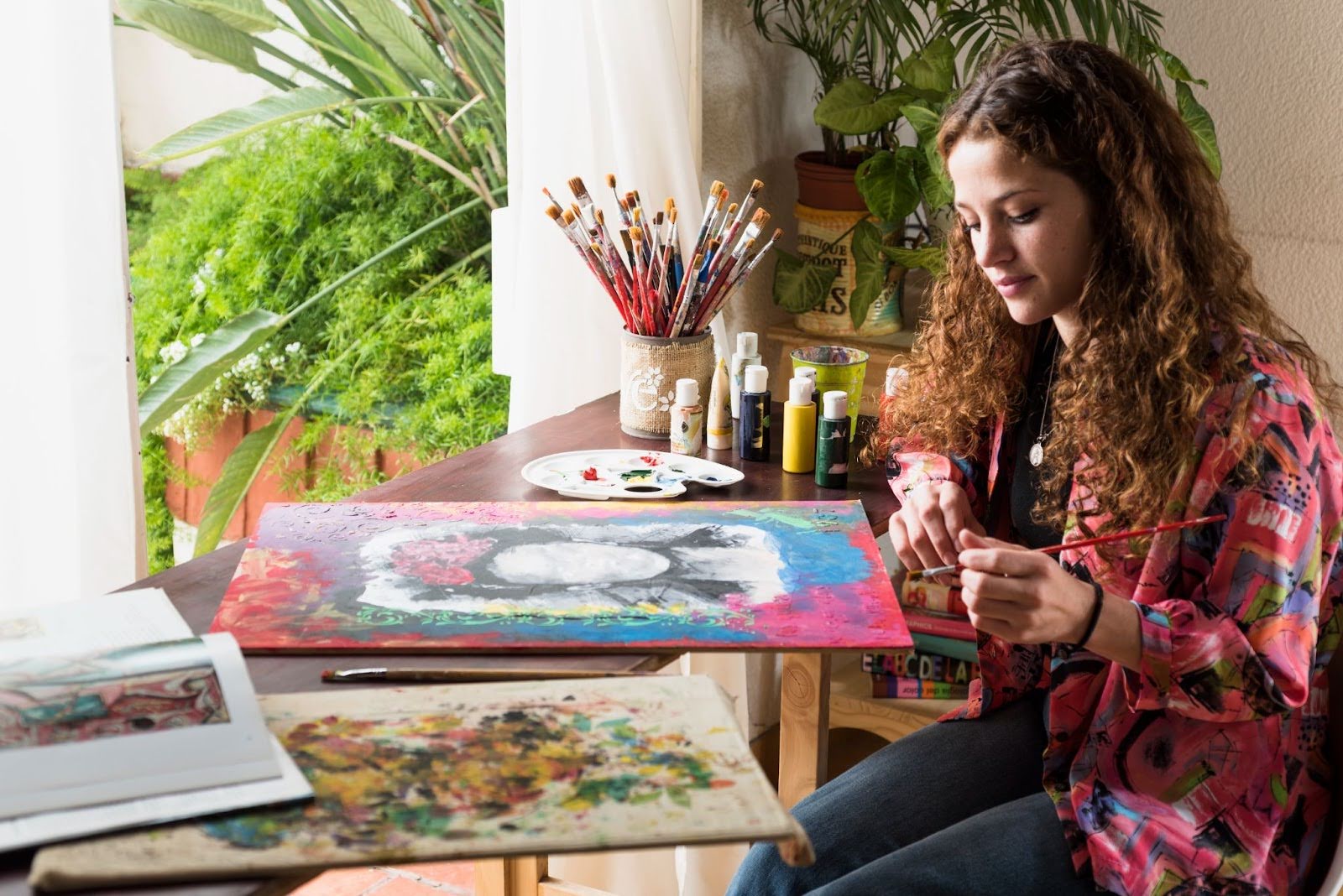
Addiction recovery is about more than stopping substance use—it’s about learning to live in a way that supports emotional, mental, and physical well-being. While medical care and counseling form the foundation of treatment, creative therapies like art therapy can bring another dimension to the healing process.
At Desert Cove Recovery Center in Arizona, we believe recovery should address the whole person, not just the symptoms of addiction. Art therapy gives clients an outlet to express what they may not yet have the words for, process difficult emotions, and reconnect with a sense of purpose. Whether it’s through painting, drawing, sculpture, or other creative forms, this approach can open new pathways to understanding and growth.
Why Art Therapy Belongs in Addiction Treatment
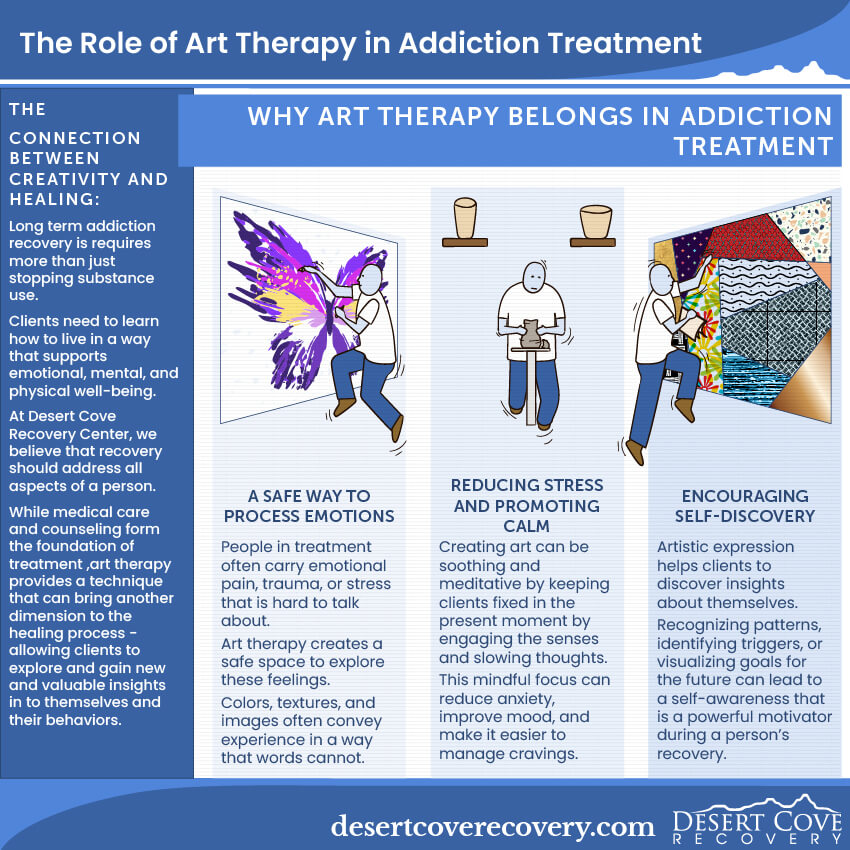
Art therapy is a mental health treatment approach that uses the creative process to help people express themselves, explore emotions, and work toward personal goals. Unlike an art class, the focus isn’t on technique or talent—it’s on what the process reveals and how it supports recovery.
A Safe Way to Process Emotions
Many people entering treatment carry emotional pain, trauma, or stress that can be hard to talk about. Art therapy creates a safe space to explore those feelings without pressure. Colors, textures, and images can communicate experiences that words sometimes cannot.
Reducing Stress and Promoting Calm
Creating art can be a soothing, meditative activity. It engages the senses, slows racing thoughts, and helps clients stay present in the moment. This mindful focus can reduce anxiety, improve mood, and make it easier to manage cravings.
Encouraging Self-Discovery
Through artistic exploration, clients often uncover insights about themselves, recognizing patterns, identifying triggers, or visualizing goals for the future. This self-awareness can be a powerful motivator in recovery.
How Art Therapy Supports Each Stage of Recovery
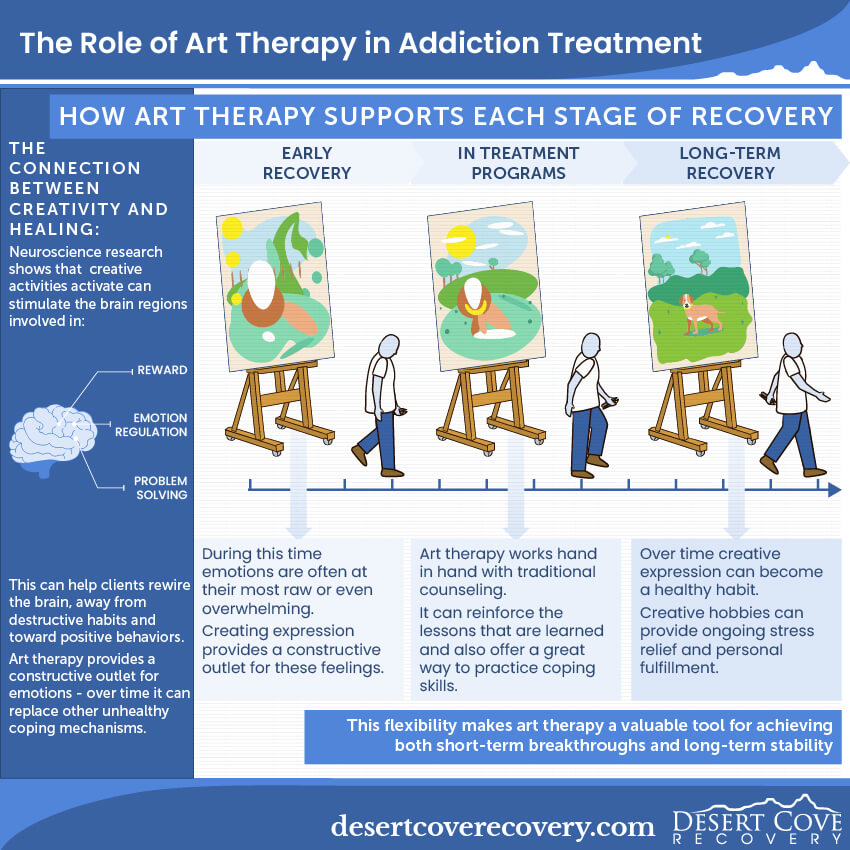
Art therapy can benefit individuals at any point in their recovery journey, but its role may look different depending on the stage.
- Early recovery: When emotions feel raw or overwhelming, creative expression offers a constructive outlet.
- In treatment programs: Art therapy can complement traditional counseling, reinforcing lessons learned in therapy and providing a hands-on way to practice coping skills.
- Long-term recovery: Creative expression can become a healthy habit, offering ongoing stress relief and personal fulfillment.
This flexibility makes art therapy a valuable tool for both short-term breakthroughs and long-term stability.
Examples of Art Therapy Activities in Addiction Treatment
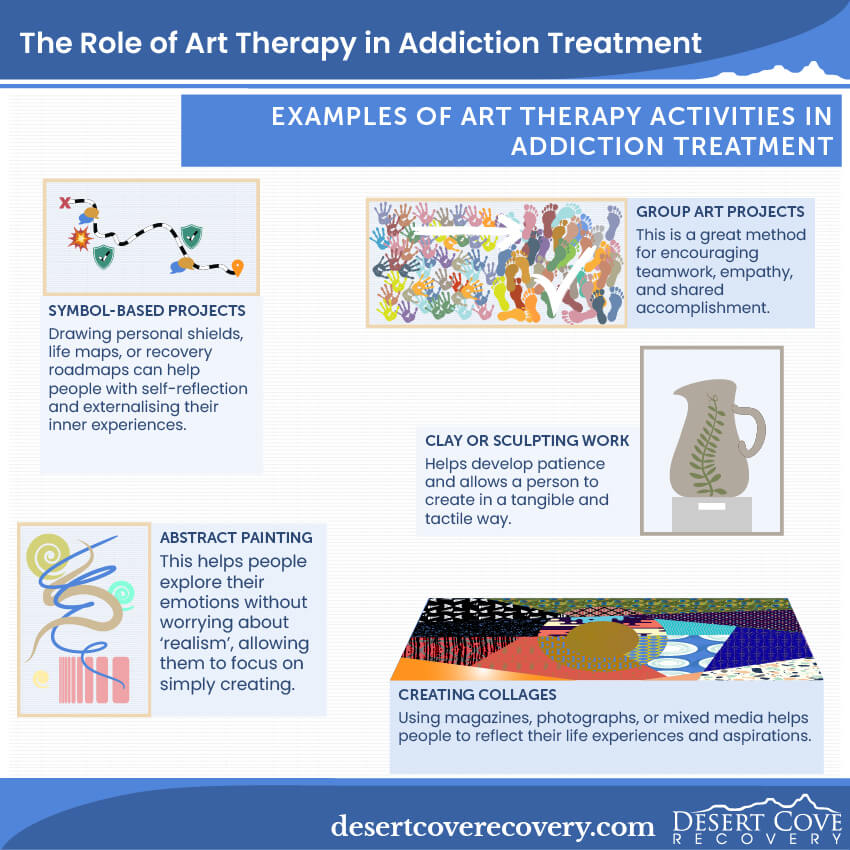
At Desert Cove Recovery, art therapy is tailored to the needs of each client. Common activities might include:
- Abstract painting to explore emotions without focusing on “realistic” representation.
- Collage-making from magazines, photographs, or mixed media to reflect life experiences and aspirations.
- Clay or sculpting work to build patience and channel energy into creating something tangible.
- Symbol-based projects like drawing personal shields, life maps, or recovery roadmaps.
- Group art projects to encourage teamwork, empathy, and shared accomplishment.
Each exercise can be adapted to individual comfort levels, ensuring the experience feels safe and supportive.
The Connection Between Creativity and Healing
Research in the field of neuroscience shows that engaging in creative activities activates brain regions involved in reward, emotion regulation, and problem-solving. For individuals in recovery, stimulating these areas can help “rewire” the brain away from destructive habits and toward positive behaviors.
Additionally, art therapy provides a constructive outlet for emotions that might otherwise be numbed with substances. Over time, clients learn to turn to creative expression instead of unhealthy coping mechanisms.
Benefits of Combining Art Therapy with Traditional Treatment
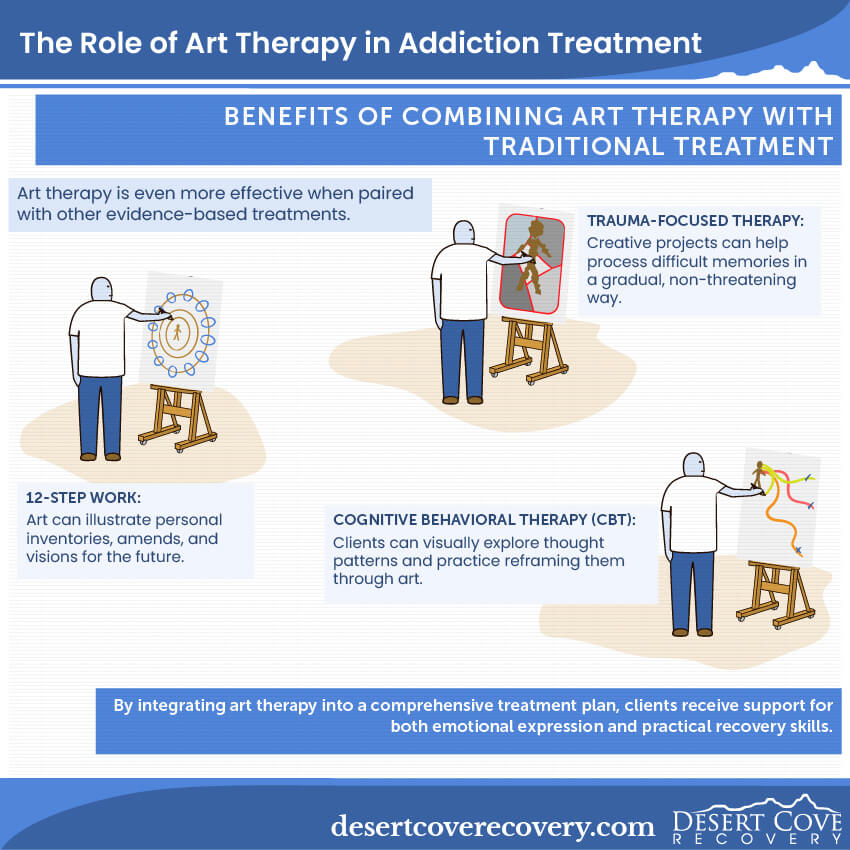
While art therapy is powerful on its own, it becomes even more effective when paired with other evidence-based treatments.
- Cognitive Behavioral Therapy (CBT): Clients can visually explore thought patterns and practice reframing them through art.
- Trauma-focused therapy: Creative projects can help process difficult memories in a gradual, non-threatening way.
- 12-Step work: Art can illustrate personal inventories, amends, and visions for the future.
By integrating art therapy into a comprehensive treatment plan, clients receive support for both emotional expression and practical recovery skills.
How Desert Cove Recovery Incorporates Art Therapy
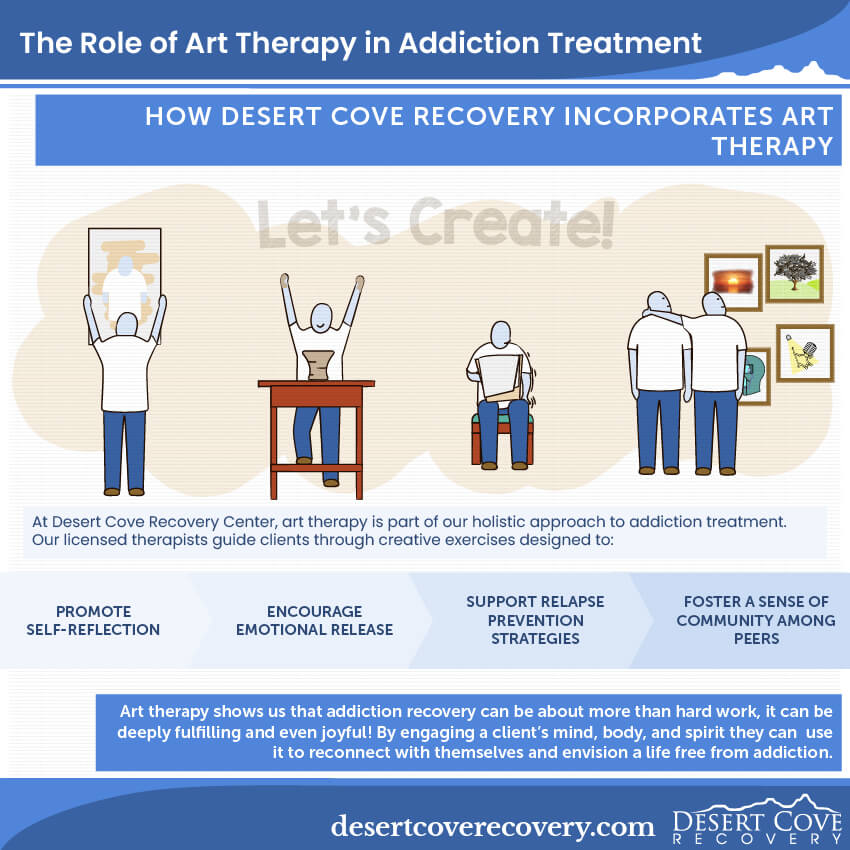
At Desert Cove Recovery Center, art therapy is part of our holistic approach to addiction treatment. Our licensed therapists guide clients through creative exercises designed to:
- Promote self-reflection
- Encourage emotional release
- Support relapse prevention strategies
- Foster a sense of community among peers
Art therapy sessions may take place in individual or group formats, allowing for personal exploration as well as shared experiences. Every project is an opportunity to practice mindfulness, self-expression, and resilience.
Taking the First Step Toward Creative Healing
Art therapy shows us that recovery can be more than hard work—it can also be deeply rewarding and even joyful. By engaging the mind, body, and spirit, creative expression helps clients reconnect with themselves and envision a future free from addiction.
If you or a loved one is ready to explore new paths to healing, Desert Cove Recovery Center in Arizona offers personalized treatment plans that include art therapy alongside proven therapeutic methods.
Contact Desert Cove Recovery today to learn how our programs can help you build a healthier, more fulfilling life—one brushstroke at a time.
Sources:
[1] https://arttherapy.org/about-art-therapy/
[2] https://nida.nih.gov/research-topics/treatment