Table of Contents
Understanding Holistic Treatment Centers in Scottsdale, Arizona
Beyond conventional methods, Scottsdale, Arizona offers specialized holistic treatment centers that integrate evidence-informed complementary therapies with traditional addiction recovery. A Holistic Treatment Center in this wellness-oriented city combines yoga, nutrition, and mindfulness alongside cognitive behavioral therapy and 12-Step programs. We at Desert Cove Recovery emphasize whole-person healing, addressing physical, emotional, and spiritual needs for lasting recovery.
These centers excel in dual diagnosis treatment centers by treating co-occurring mental health and substance use disorders simultaneously. Authoritative government health data from SAMHSA highlights integrated care models that improve outcomes, reduce hospitalizations, and enhance quality of life for patients experiencing these challenges. A prime example is a Holistic Addiction Treatment Center in Scottsdale, Arizona, where services like acupuncture, meditation, equine therapy, and nutritional counseling support comprehensive healing.
Industry association events like NAADAC conferences provide insights on professional development, promoting emerging holistic modalities in addiction counseling through sessions on trauma-informed care and spirituality. Scottsdale’s natural beauty, spas, and recovery-friendly community make it ideal for holistic drug rehab, fostering empowerment in a safe, therapeutic environment.
Explore how leading centers in Scottsdale, Arizona implement these principles to help patients build sustainable sobriety. Your new life awaits with personalized, holistic care and ongoing, compassionate aftercare, peer support included.
Core Principles of Holistic Addiction Recovery
Beyond understanding addiction, the core principles of holistic recovery offer a transformative foundation. At a Holistic Treatment Center like Desert Cove Recovery in Scottsdale, Arizona, we treat the whole person–mind, body, and spirit–through integrated therapies that address root causes rather than symptoms alone. This empowers lasting change.
Defining Holistic Approaches in Treatment
Holistic drug rehab emphasizes whole-person wellness, incorporating practices like yoga, meditation, nutrition, and acupuncture to nurture physical, emotional, and spiritual health. At Desert Cove Recovery, our individualized care plans draw on strengths-based methods, focusing on clients’ inherent resilience and self-awareness rather than deficits alone. NAATP industry association insights highlight how these approaches foster personal growth, dignity, and psychological integration, reducing stigma and enhancing engagement.
Foundational principles include tailored treatment, empowerment through internal resources like mindfulness and emotional intelligence, and a nurturing environment that sustains recovery beyond formal programs. Clients discover balanced perspectives on their strengths and challenges, promoting self-respect and optimism. This comprehensive framework sets holistic recovery centers apart by building lifelong tools for sobriety.
Role of Dual Diagnosis in Recovery Foundations
Dual diagnosis addresses co-occurring mental health and substance use disorders, where conditions like anxiety or depression complicate addiction. In dual diagnosis treatment centers, we integrate care simultaneously, using coordinated models to treat both issues holistically. SAMHSA authoritative government health data on co-occurring disorders recommends fully integrated approaches, improving quality of life, reducing hospitalizations, and enhancing stability.
These methods align with strengths-based strategies from NAATP, empowering clients through resilience-building and flexible support. At Desert Cove Recovery, our programs ensure no wrong door policy, with assessments leading to personalized plans that tackle intertwined challenges effectively. This foundation prevents fragmented care, fostering complete recovery.
The following table compares Holistic vs. Traditional Treatment Principles, highlighting advantages of holistic integration at Desert Cove Recovery. It draws from SAMHSA co-occurring disorders data and our program details.
| Aspect | Holistic Approach | Traditional Approach |
|---|---|---|
| Focus | Whole-person wellness (mind, body, spirit) | Symptom management primarily |
| Therapies | Yoga, meditation, nutrition | Medication and counseling only |
| Dual Diagnosis | Integrated mental health support | Separate treatment tracks |
This comparison underscores how holistic methods provide comprehensive support, addressing interconnected needs for better outcomes. Traditional approaches often isolate issues, while our integrated model promotes synergy between therapies and mental health care, reducing relapse risks and building sustainable habits.
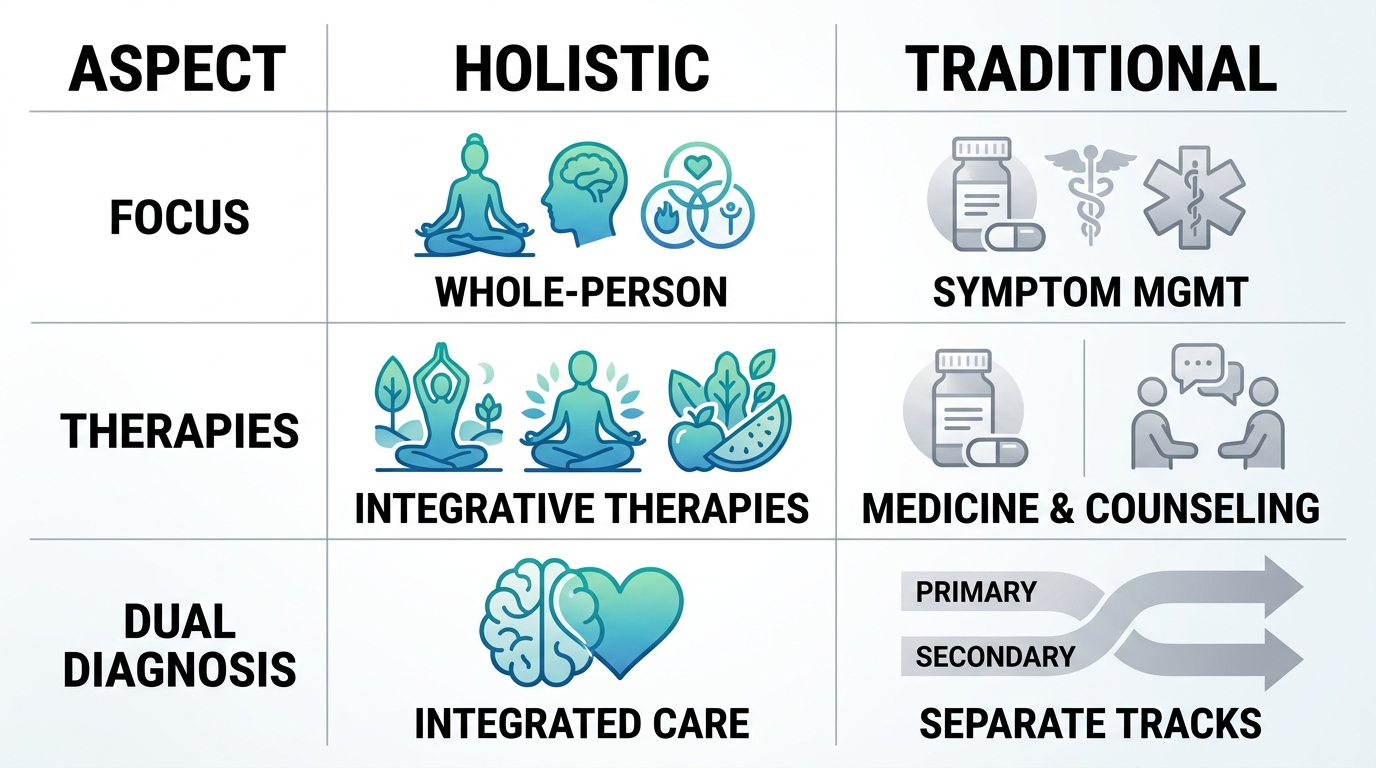
Holistic vs. traditional addiction treatment principles comparison
Such visual insights reinforce the value of unified care in early recovery stages.
Benefits for Substance Abuse Recovery
Holistic care delivers key advantages in early recovery, particularly at an Alcohol Treatment Center Arizona like ours:
- Reduced relapse through integrated dual diagnosis support, as SAMHSA data shows lower hospitalization rates.
- Improved emotional regulation via yoga and mindfulness, enhancing resilience.
- Sustained motivation from strengths-based empowerment, per NAATP insights.
- Better overall wellness with nutrition and acupuncture, aiding physical healing.
- Heightened self-worth and engagement, fostering long-term sobriety.
These benefits create a hopeful path, empowering clients in holistic recovery centers to reclaim their lives.
These principles underpin the specific therapies and programs at Desert Cove Recovery detailed next.
Exploring Integrated Therapies for Dual Diagnosis
Building on the unique needs of dual diagnosis, Desert Cove Recovery, a leading Holistic Treatment Center in Scottsdale, Arizona, employs integrated therapies to address co-occurring substance use and mental health disorders. We combine evidence-based practices with holistic modalities, empowering clients toward lasting recovery in a safe, therapeutic, and nurturing environment.
Holistic Therapies Offered
At Desert Cove Recovery, we integrate holistic addiction treatment such as yoga, art therapy, and nutrition counseling into our dual diagnosis programs. Yoga sessions help clients reduce stress and improve flexibility, fostering physical and mental resilience through guided poses and breathing exercises tailored for those in early recovery. These classes, held in our serene Scottsdale facility, promote mindfulness and body awareness, essential for rebuilding strength after detox.
Art therapy provides a creative outlet for emotional expression, allowing clients to process complex feelings without words. Our licensed therapists facilitate sessions using painting, drawing, and sculpture to uncover hidden traumas, supporting individuals with substance use and co-occurring conditions. Meanwhile, nutrition counseling focuses on balancing brain chemistry through personalized meal plans rich in omega-3s, vitamins, and whole foods. We educate clients on how diet influences mood and cravings, helping stabilize mental health alongside addiction recovery.
These offerings reflect our commitment to comprehensive care at holistic treatment centers in Arizona, where clients benefit from individualized plans.
The following table compares key holistic therapies, highlighting their benefits and applications in dual diagnosis treatment, supported by NAADAC resources and Substance Abuse and Mental Health Services Administration (SAMHSA) guidelines.
| Therapy | Benefits | Dual Diagnosis Application |
|---|---|---|
| Yoga | Reduces stress, improves flexibility | Anxiety management in mental health |
| Art Therapy | Emotional expression, trauma processing | Supports PTSD with substance use |
| Nutrition Counseling | Balances brain chemistry | Addresses depression-related eating issues |
Comparison of key holistic therapies supported by NAADAC resources and SAMHSA guidelines
This comparison underscores how each therapy targets specific recovery challenges, as outlined by industry best practices from the National Association of Addiction Treatment Providers (NAATP). Clients at Desert Cove Recovery often report enhanced engagement when therapies align with their personal strengths, leading to better outcomes in our residential programs.
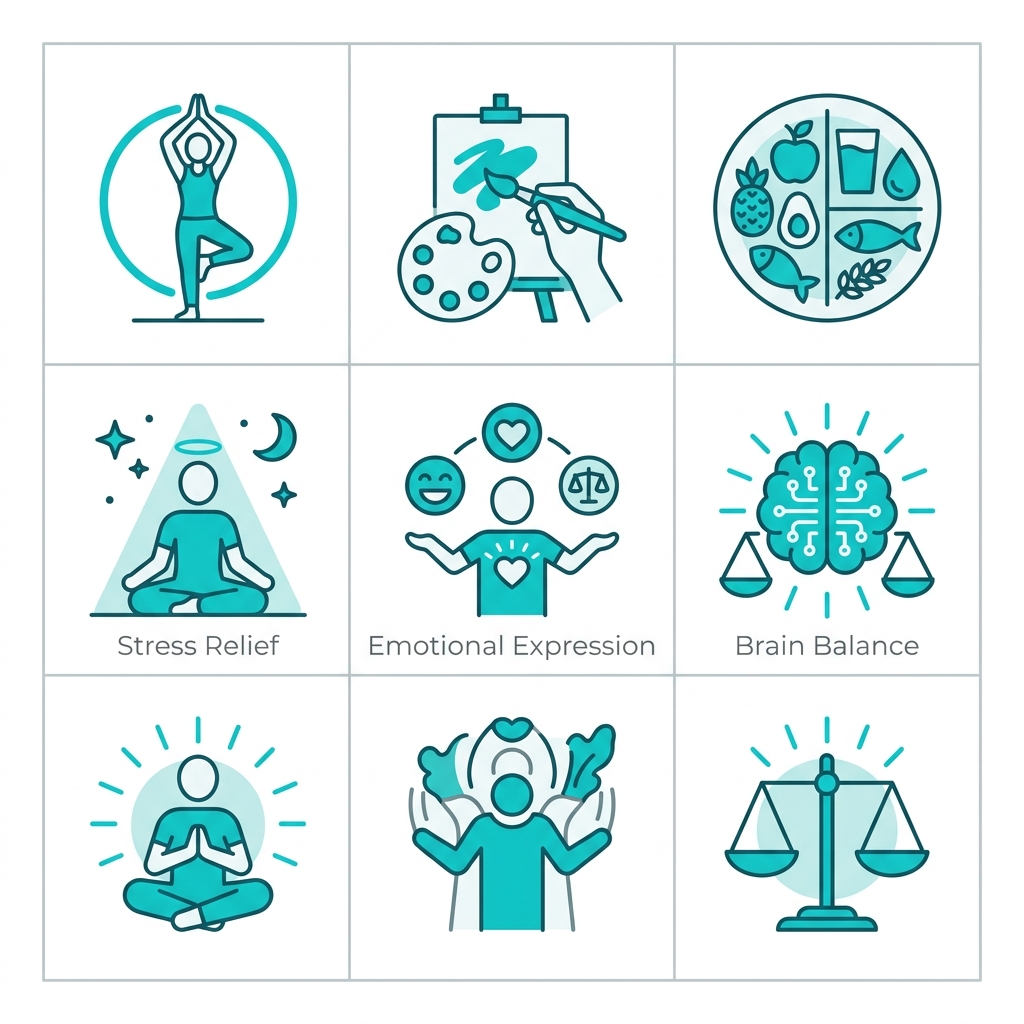
Holistic therapy icons for dual diagnosis treatment
These visual representations capture the essence of our integrated approach, bridging physical, emotional, and nutritional wellness for sustained healing.
How Holistic Aids Dual Diagnosis Recovery
Holistic therapies aid dual diagnosis recovery by addressing the interplay of substance use and mental health through targeted mechanisms. Yoga reduces anxiety in clients with comorbid substance use and mental health disorders, lowering cortisol levels and enhancing emotional regulation, much like integrated care models recommended by the Substance Abuse and Mental Health Services Administration (SAMHSA) for co-occurring conditions.
Art therapy facilitates trauma processing in PTSD combined with addiction, enabling non-verbal release that complements traditional talk therapy. This empowers clients at dual diagnosis treatment centers like ours to rebuild self-worth. Nutrition counseling tackles depression-related eating issues by optimizing neurotransmitter function, stabilizing mood swings that exacerbate cravings.
According to SAMHSA government health data on co-occurring disorder management, such complementary approaches improve quality of life and reduce relapse risks. In our Scottsdale programs, these therapies foster resilience, aligning with strengths-based practices from NAATP that emphasize internal resources for lifelong recovery.
Evidence-Based Complements
We seamlessly integrate evidence-based therapies with holistic modalities for optimal dual diagnosis outcomes. Cognitive Behavioral Therapy (CBT) pairs with yoga to combine cognitive restructuring with mindfulness, helping clients challenge distorted thoughts while grounding in the present. This synergy enhances anxiety management in our holistic drug rehab environment.
Dialectical Behavior Therapy (DBT) complements art therapy by teaching emotion regulation skills alongside expressive outlets, ideal for PTSD and substance use comorbidity. Clients practice distress tolerance through creative sessions, building skills for real-world challenges. Nutrition counseling supports both by addressing biochemical imbalances that CBT and DBT target psychologically.
SAMHSA authoritative government health data highlights how fully integrated models, like those at Desert Cove Recovery, yield better housing stability and fewer hospitalizations. NAATP industry best practices reinforce this through strengths-based integration, empowering clients in our therapeutic setting. These therapies form the core of our residential program, preparing individuals for sustained sobriety and wellness.
Implementing Holistic Strategies in Daily Recovery
Transitioning from structured treatment to daily life requires consistent holistic practices for sustained recovery. At a Holistic Treatment Center like Desert Cove Recovery in Scottsdale, Arizona, we guide clients to integrate these strategies seamlessly. This approach fosters long-term wellness beyond formal care.
Daily Practices for Sustained Recovery
Incorporate simple, evidence-based routines to maintain balance post-treatment. Start your day with a 10-minute mindfulness meditation to center your mind and reduce cravings. Follow with a 20-minute gentle yoga sequence to enhance flexibility and release tension accumulated from daily stressors.
Build habits using apps or trackers for accountability. Practice journaling gratitude prompts midday, noting three positive recovery moments to shift focus from challenges. Track hydration with herbal teas throughout the day, aiming for 64 ounces to support detoxification and mood stability.
Wind down evenings with aromatherapy, using lavender oil for relaxation and better sleep. These practices, drawn from holistic treatment principles, promote adherence through monthly self-check-ins. We recommend setting reminders to ensure consistency, empowering you to thrive independently.
The following table compares program levels at Desert Cove Recovery, highlighting how holistic elements scale with intensity to support daily integration:
| Program | Duration | Holistic Elements |
|---|---|---|
| Residential | Extended stay | Full yoga, therapy access |
| PHP/IOP | Partial/Intensive outpatient | Group holistic sessions |
Footnote: Use SAMHSA locators for similar programs and Desert Cove services for details.
Residential options provide immersive access ideal for building routines, while PHP/IOP fits transitioning clients with group support. This structure ensures holistic elements align with your recovery phase, as emphasized in industry-leading events like those from NAADAC, the Association for Addiction Professionals.
Family and Community Support Integration
Family therapy plays a vital role in holistic programs, strengthening bonds disrupted by addiction. Schedule twice-weekly sessions to address dynamics and rebuild trust. We integrate these at Desert Cove to support your journey in a therapeutic environment.
For co-occurring issues, dual diagnosis treatment within family contexts proves essential, tackling mental health alongside substance use. According to the Substance Abuse and Mental Health Services Administration (SAMHSA), the official U.S. government directory for verified treatment options, community support groups via their locators enhance outcomes.
Leverage dual diagnosis treatment centers for specialized groups. Monthly family check-ins track progress, fostering accountability. NAADAC, the Association for Addiction Professionals, references industry-leading events highlighting family integration in evidence-based recovery, ensuring sustained support networks.
Insurance and Accessibility Considerations
Navigating costs begins with verifying holistic therapies under behavioral health coverage. Many plans cover yoga, nutrition counseling, and therapy at centers like Desert Cove. Contact us for insurance verification to maximize benefits.
Use SAMHSA locators, as the official U.S. government directory, to find in-network holistic drug rehab providers. This tool simplifies access to outpatient holistic drug rehab tailored to your needs. Out-of-pocket options remain viable for specialized sessions, with flexible pricing at facilities prioritizing accessibility.
Insurance coverage may vary; verify with your provider. Track expenses with apps for tax deductions. In Scottsdale, AZ, our holistic treatment centers streamline this process, empowering you to focus on recovery. Contact Desert Cove Recovery today–your new life awaits in a safe, therapeutic, and nurturing environment.
Advanced Techniques in Holistic and Evidence-Based Care
Elevating beyond foundational practices, we at Desert Cove Recovery in Scottsdale, AZ, embrace advanced techniques that blend holistic and evidence-based care. At a Holistic Treatment Center, our holistic recovery philosophy underpins these integrations, fostering empowerment and sustainability. As noted by the National Association of Addiction Treatment Providers (NAATP), industry-leading insights highlight strengths-based approaches as flexible, empowering methods that innovate recovery by cultivating resilience, self-awareness, and mindfulness in addiction treatment.
The following table provides a high-level comparison of advanced holistic versus evidence-based techniques.
Advanced Modalities Overview
| Technique | Application | Outcomes |
|---|---|---|
| DBT + Meditation | Emotional regulation | Reduced relapse |
| 12-Step + Nutrition | Sustained sobriety | Improved physical health |
Supporting data: NAATP blog, SAMHSA data.
These modalities demonstrate how we combine proven therapies with holistic elements for superior results. DBT + Meditation integrates Dialectical Behavior Therapy (DBT)–a evidence-based skill set for managing intense emotions–with mindfulness meditation. In our dual diagnosis treatment centers, this pairing enhances emotional regulation, helping clients with co-occurring disorders achieve stability and reduced relapse rates, as supported by NAATP’s emphasis on psychological resources.
Similarly, 12-Step + Nutrition pairs the traditional 12-Step program with personalized nutrition plans at holistic drug rehab facilities like ours. This holistic treatment approach promotes sustained sobriety while boosting physical health through balanced diets that restore the body during recovery. NAATP underscores how such strengths-based integrations shift focus from deficits to growth, improving client engagement and outcomes.
Patients benefit from lower relapse, better emotional control, and enhanced well-being, aligning with our commitment to comprehensive care. Our team customizes plans, integrating clinical assessment, patient goals, family support, and ongoing aftercare coordination for recovery. These techniques form the basis for tailored recovery plans ahead.
Frequently Asked Questions on Holistic Treatment
Building on holistic principles, here are answers to common questions about holistic treatment in addiction recovery at centers like ours in Scottsdale, Arizona.
What is holistic treatment?
Holistic treatment integrates mind-body-spirit therapies such as yoga, nutrition, and acupuncture alongside conventional addiction care. At a Holistic Treatment Center, we address the whole person for lasting recovery.
How does a Holistic Treatment Center support dual diagnosis?
Holistic Treatment Centers like dual diagnosis treatment centers combine holistic drug rehab with mental health therapies. This integrated approach treats co-occurring disorders effectively in a nurturing environment.
How does a Holistic Treatment Center differ from traditional rehab?
A Holistic Treatment Center prioritizes personalized, non-pharmacological methods over standard protocols. We focus on emotional, physical, and spiritual healing for deeper, sustainable change.
What funding supports holistic approaches for co-occurring issues like Hepatitis C?
The HHS announced a $100 million pilot via SAMHSA to eliminate Hepatitis C in those with substance use and mental illness (SAMHSA, 2025). This backs comprehensive recovery programs.
Contact Desert Cove Recovery for your personalized holistic plan.
Embracing Lasting Recovery with Desert Cove
At Desert Cove, we transform these challenges into lasting recovery triumphs. As a premier Holistic Treatment Center in Scottsdale, AZ, we embrace lifelong recovery through holistic care that nurtures mind, body, and spirit.
Our addiction treatment philosophy, as outlined by Desert Cove Recovery, integrates evidence-based therapies with 12-Step principles. We support dual diagnosis treatment centers needs, treating co-occurring disorders for comprehensive healing.
Personalized holistic drug rehab includes therapy, wellness, and aftercare planning. Your new life awaits–explore our philosophy in action through client success stories.
This article was researched and written with the assistance of AI tools.
Resources
Learn SAMHSA Integrated Care for Co-Occurring Disorders
Explore NAATP Strengths-Based Addiction Recovery Approaches
Find SAMHSA Treatment Locator for Mental Health Services
Access HHS $100M Hepatitis C Elimination Funding